Lot Clearing
A pad can't go in until the trees, stumps and roots are out of the footprint. See our residential lot clearing service.
View Lot Clearing
Excavation
Bought a lot and need it ready for a foundation? Superior Land Management takes it from cleared ground to a graded house pad with footers dug and waiting on your concrete crew.
Google ReviewsSuperior Land Management handles foundation excavation and foundation digging for homes across Knox County and the surrounding valleys, working out of north Knoxville near Halls and Gibbs. Owner Chandler Humphrey runs the excavator himself: he strips and saves the topsoil, cuts the house pad to grade, digs footers down to firm, undisturbed soil, and opens full basements with room to waterproof the walls. Foundation digging is one piece of the dirt work our Knoxville land clearing and excavation company handles, and it sits under our broader excavation services. Call or text Chandler at (865) 412-7121 to walk your lot.
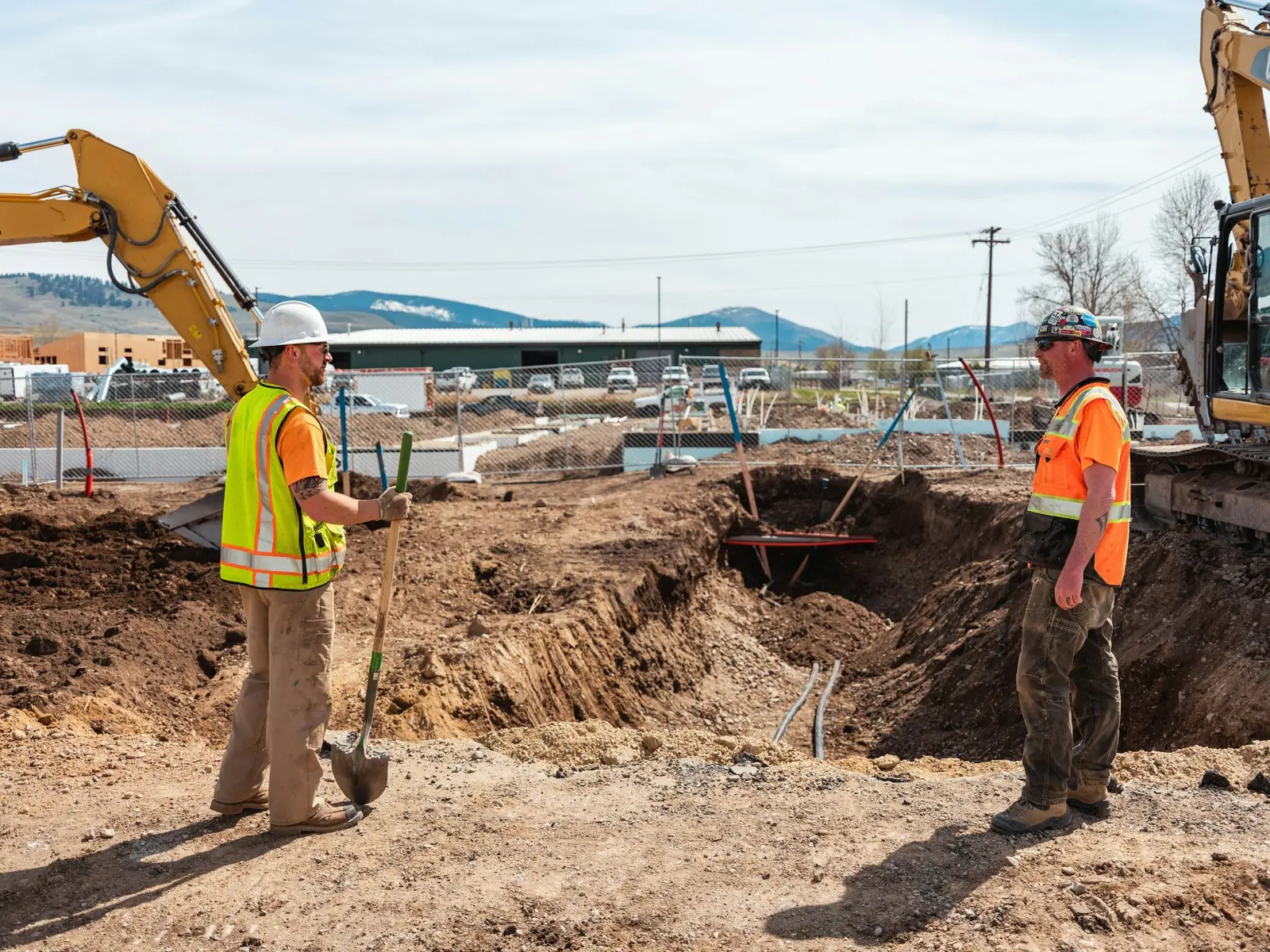
Every week a lot sits waiting, rain works into exposed red clay, brush grows back over the stakes, and your concrete and framing crews slide down someone else's calendar. Getting the dirt work booked early keeps the whole build moving.
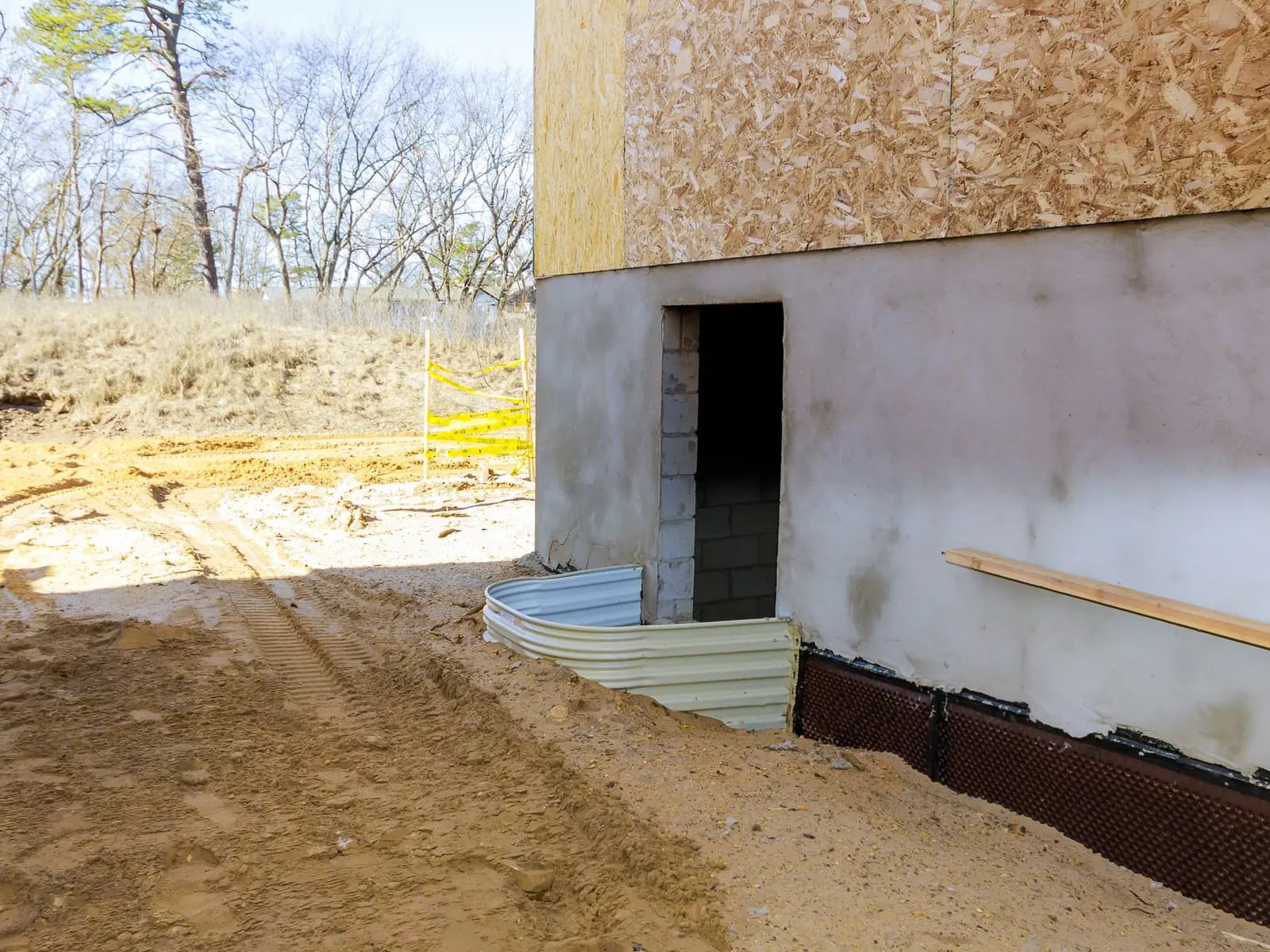
Foundation excavation means shaping the ground so a footing and wall can sit on soil strong enough to carry the house, with drainage that keeps water moving away from it.
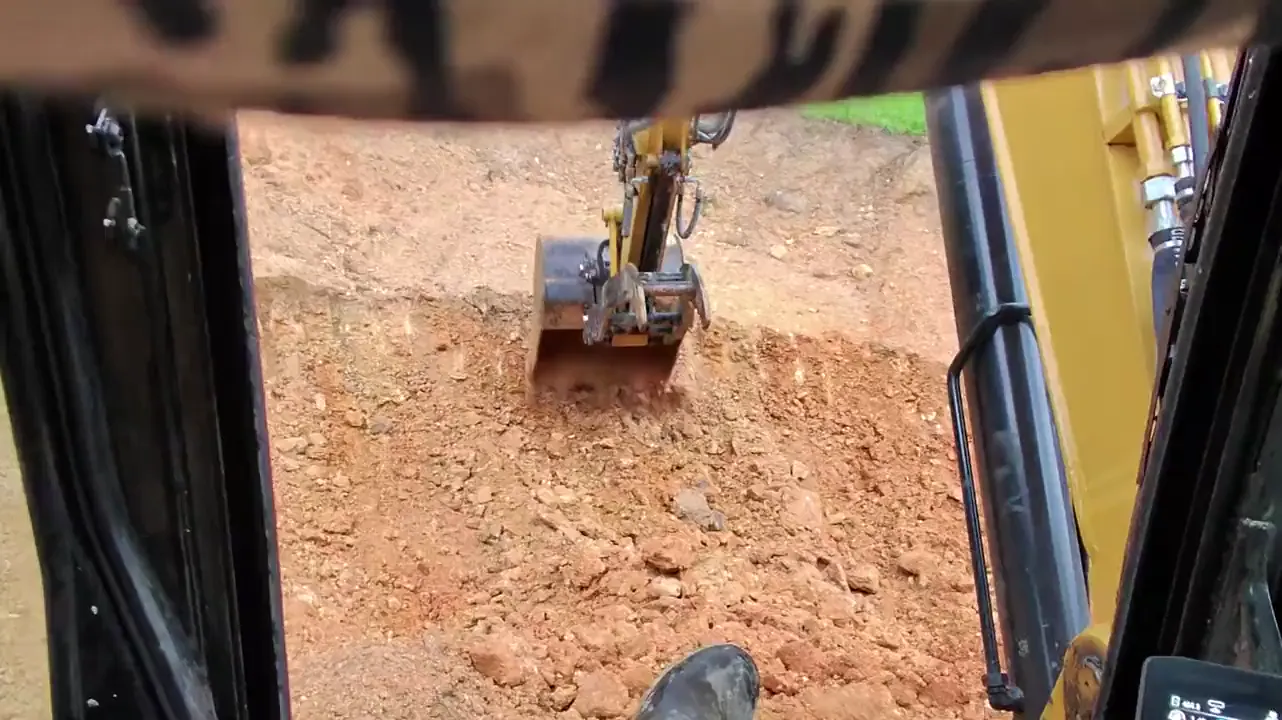
Before any footer gets dug, Chandler strips the topsoil from the footprint and stockpiles it out of the way so you have good dirt for final grading and seeding later. Then he cuts and fills the pad to plan grade, compacting fill in lifts, and leaves it slightly above the surrounding ground so water sheds away. Spoil from the dig gets stockpiled on site for backfill or hauled off by dump truck, whichever your lot and budget call for.
Footing excavation means trenches cut to the width and depth your plans specify, down past topsoil and fill to firm, undisturbed soil and below the local frost line. Chandler works with an engineer who marks the footers, so the layout matches the plans before the concrete crew shows up. Soft pockets get dug out to solid ground, not covered up.
Digging out a basement is mostly about room to work. We dig the hole two to three feet wider than the foundation walls on every side so the wall crew can form, the waterproofing crew can coat the outside of the walls, and drain tile can run along the footing with gravel over it. Trenches and cuts five feet and deeper need sloping, shoring or a trench box under OSHA excavation rules, and we lay the cut back accordingly.
For existing homes, digging out a crawl space gives you headroom for plumbing, ductwork and a vapor barrier. On new builds, backfill comes last: once the walls have cured and the waterproofing and drain tile are inspected, we backfill against the walls in layers with drainage stone at the footing, compact it, and rough-grade so surface water runs away from the house.
Sinkholes and karst limestone
The Knoxville area sits on limestone that dissolves underground, and Knox County alone has 1,663 sinkholes mapped on topographic maps, according to Tennessee Landforms sinkhole data. A shallow dip in a lot can be the top of one. When we find a depression or a soft void in the footprint, we stop and ask for an engineer's evaluation before any concrete goes in.
Red clay that pumps when it's wet
East Tennessee red clay holds water, turns slick, and pumps under tire and track weight after a hard rain. We dig footers close to the pour date when we can and cut temporary swales so trenches don't fill.
Rock ledges on ridges and hillsides
Limestone and shale ledges often sit a few feet down on ridge lots. When rock shows up, we tell you before we keep digging and price the hammer work separately.
Stumps and roots left under the house
Buried wood rots and the ground settles with it. That's why the building footprint gets full stump removal and grubbing during lot clearing before a pad is ever cut, even on lots where the rest of the property was mulched.
Chandler Humphrey has been running Superior Land Management since 2021 with a four-person crew, and he's the one in the excavator seat on your footers.
Your quote breaks out clearing, pad, footers, basement dig, hauling and backfill line by line, so you can compare it against plans and other bids.
Chandler would rather spend an extra day getting a footer bottom clean and level than have anyone come back to it later. In five years, no customer has called about a problem with the work, and if something's wrong, the crew comes back and makes it right.
We clear the lot, cut the pad, dig the footers and handle septic site work, so there's no gap between a clearing crew and an excavating crew. One recent turnkey quote covered clearing, cutting out a hill, a roughly 200 x 200 foot pad with footers, and a septic system.
Tennessee requires a contractor license for projects of $25,000 or more; you can check any contractor on the state license lookup. Get to know Chandler and the crew behind the machines.
Chandler meets you on the property with your house plans, looks at slope, drainage, access for trucks and any rock or sinkhole signs, and talks through where spoil and topsoil can sit. You'll get an itemized written quote.
We submit a TN811 locate request at least three working days before digging, as required by Tennessee 811, so buried lines are marked. Your builder or engineer handles the building permit and footer layout.
The excavator strips topsoil to a stockpile, then cuts and fills the house pad to plan grade, compacting fill in lifts. A dump truck moves spoil where it needs to go or off the lot.
Footers get dug to undisturbed soil at plan depth and cleaned flat, and basements get opened with over-dig on every side for waterproofing and drain tile. Rock or a sinkhole stops the dig until you approve the fix. That way the inspector and concrete crew find what the plans asked for.
Before the concrete crew arrives, Chandler walks the pad and trenches with you or your builder to sign off that the dig matches the plans. After the walls cure and waterproofing is in, we come back to backfill, compact and rough-grade. You're left with an itemized invoice that matches the quote and a site ready for framing.
The cost of excavation for a foundation depends on how much dirt moves, how deep it goes, and what's under the topsoil, so we quote after walking the lot rather than by the square foot. Dirt work runs about $1,500 per machine day, and every quote is itemized. Basement excavation cost runs higher than slab or crawl footers because of depth, over-dig and spoil volume. If you want the cheapest number, we may not be your crew; if you want the footers right before concrete goes in, we're a good fit.
Estimates are free. Payment by cash, check or Venmo.
A pad can't go in until the trees, stumps and roots are out of the footprint. See our residential lot clearing service.
View Lot ClearingOnce the footers are in, the house needs water, power and a sewer or septic line. See our trenching services for utility lines.
View TrenchingConcrete trucks and lumber deliveries need a solid way in. See our gravel driveway excavation.
View Driveway ExcavationWe work within about 50 miles of our base in north Knox County, covering Knox, Loudon, Sevier, Jefferson, Grainger and Hamblen counties, and travel farther when a job justifies it. Corryton is a short run east across north Knox County, and Blaine is up US-11W / Rutledge Pike in Grainger County. Building in Jefferson City? We head east on US-11E / Andrew Johnson Highway through Strawberry Plains and New Market. Sevierville is down I-40 East to Exit 407 or Chapman Highway, and Lenoir City is I-40/I-75 west to Exit 81.
Need foundation excavation in Sevierville or a basement dug on a Lenoir City lakeside slope? Valleys bring karst and sinkholes, ridges bring shallow rock, and red clay is nearly everywhere. Call (865) 412-7121 to book a lot walk.
Based in Knoxville, TNService-area business, about 50 miles around Knoxville. Pins open each area page.
View us on GoogleIt depends on the footprint, depth, slope, rock and how much spoil leaves the lot. Dirt work runs about $1,500 per machine day, and a full basement takes more machine time than a crawl-space footer. Chandler gives a free itemized, line-by-line quote after walking the lot.
A house pad and footers on a cleared, gentle lot often take a few days; a basement on a sloped or rocky lot takes longer. Wet weather adds time, because digging footers in saturated red clay weakens the bottom. We'll tell you if rain moves the schedule.
Footing excavation goes to the depth on your plans, down to undisturbed soil and below the local frost line. Your engineer or building inspector sets the final requirement, and we dig to it.
Yes. Digging out a crawl space adds headroom and lets water drain instead of pooling, but it has to be done without undermining the existing footings. We keep a safe distance from footings and follow your engineer's plan for any lowering near them.
Rock may need a hydraulic hammer, which is priced separately, and we tell you before running it. A sinkhole or void in the footprint gets an engineer's evaluation before any concrete goes in.
No. Most customers meet Chandler for the lot walk and the footer-ready walkthrough, then let the crew work. Tell us about gates, pets or livestock before we start.
We return if anything's wrong. That's been the policy for five years and no customer has had to call about a problem.
We're available 24/7 for urgent digging and storm cleanup. Foundation work is scheduled around your builder and the weather.
Still have a question about foundation excavation? Call (865) 412-7121.
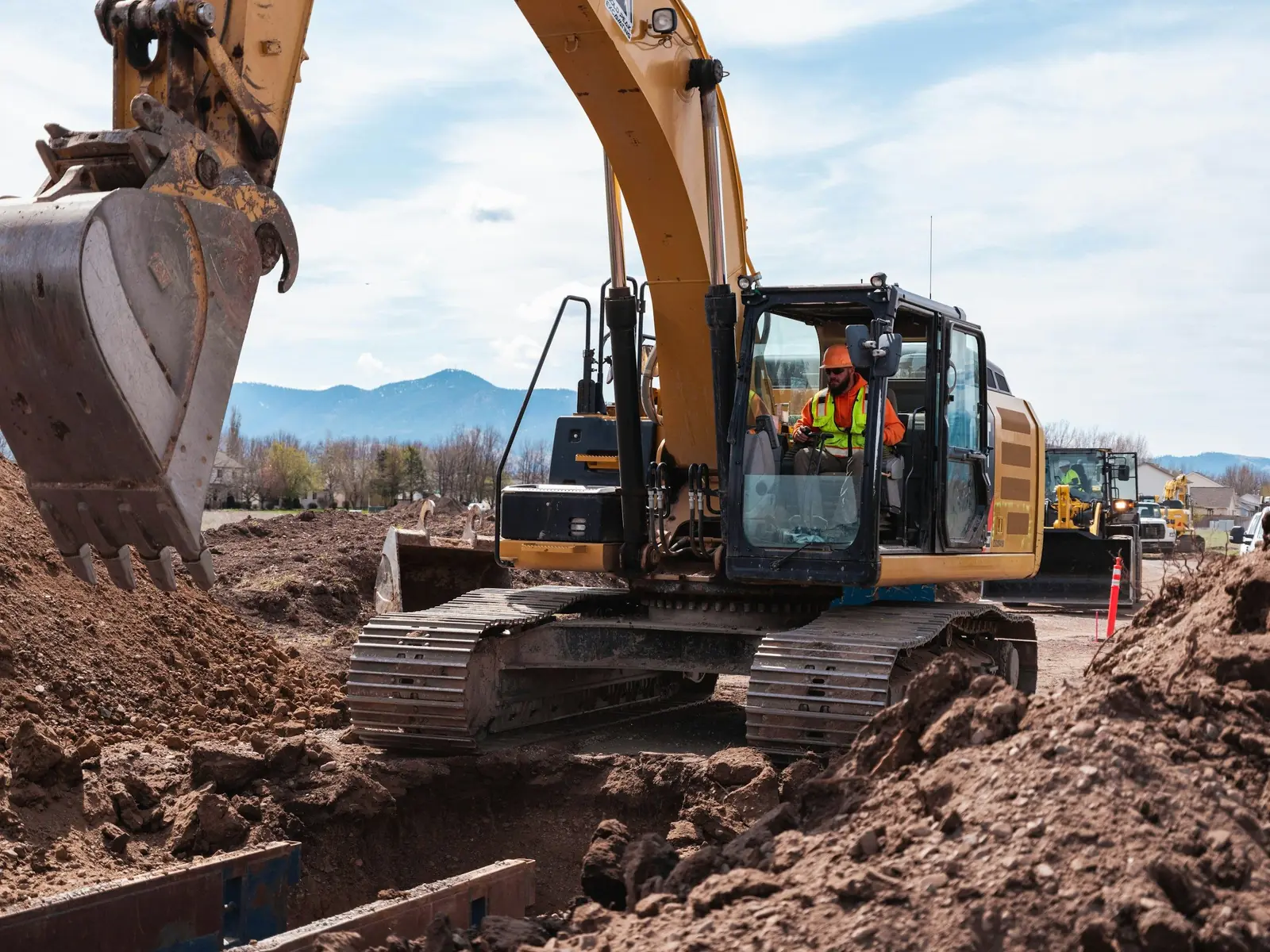
Send us your plans or call to set up a lot walk with Chandler. He'll tell you what the ground needs and give you an itemized quote, or reach us through our contact page for a free estimate.
Open 24/7, including storm cleanup and emergencies
